
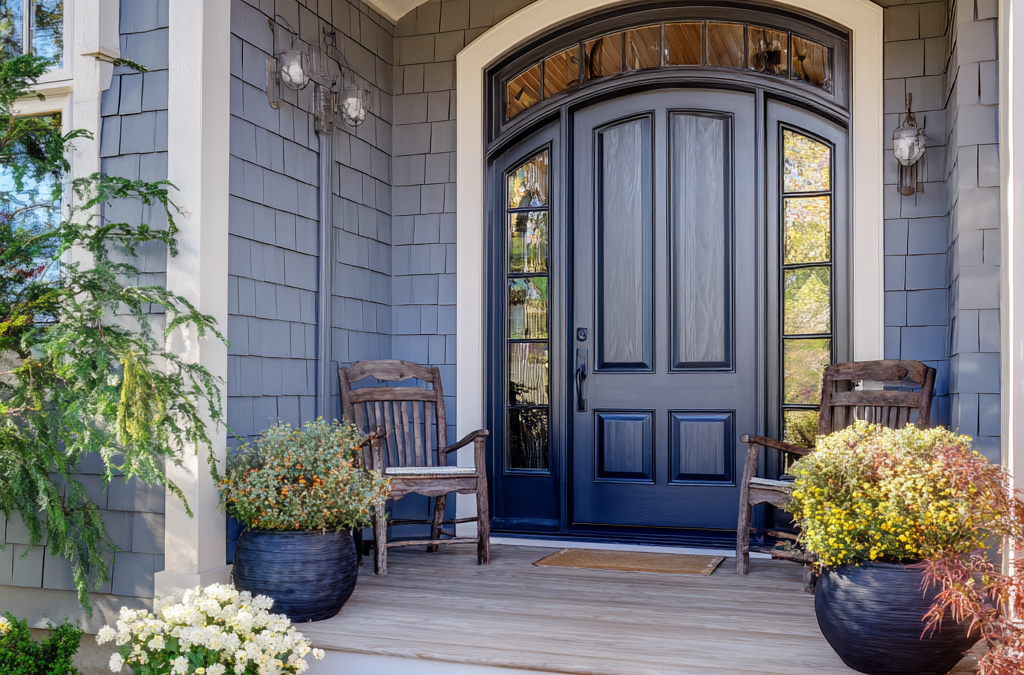
February is when homeowners start noticing the truth. Not the “maybe we should update the entry someday” truth. The “why is my hallway colder than the rest of the house” truth.
If your front door leaks air, sticks, rattles, or looks tired, winter will put it on display. And the good news is: you don’t have to wait for spring to fix it. In fact, tackling an entry door upgrade now is one of the smartest moves you can make before outdoor projects start stacking up.
This guide breaks down what actually makes a great door in mountain climates—whether you’re searching for custom doors in Montana, comparing energy efficient wood doors, or even looking up exterior door replacement in Wyoming because you’re dealing with the same high-elevation swings and winter wind. The details matter, and they’re the difference between a door that looks good and a door that performs.
Want to see Wilson’s door work and options?
Why upgrading your entry door before spring is worth it
A front door does three jobs every day:
- Keeps warm air in and cold air out
- Protects your home with solid security hardware and a tight fit
- Sets the tone for the whole exterior and entryway
If the door is underperforming, you feel it in comfort, energy use, and daily annoyance. And if you’re a contractor quoting spring projects, getting door specs locked early keeps the schedule clean.
The 7 upgrades that make the biggest difference
1) Choose the right door construction for your climate
Not all “wood doors” are created equal. The best-performing wood doors for Montana and similar climates are engineered to stay stable and resist warping.
What to look for:
- Quality cores and joinery that hold up to seasonal swings
- Proper sealing on all edges, especially the bottom edge (the part that gets ignored most often)
If your current door is swelling in summer and shrinking in winter, that’s not you imagining things. That’s a door that wasn’t built or sealed for where you live.
2) Upgrade weatherstripping (it’s not glamorous, but it works)
Weatherstripping is the unsung hero of an energy-efficient entry. It’s also one of the most common failure points.
A good setup should:
- Compress evenly all the way around
- Stay flexible in cold temperatures
- Seal without making the door hard to latch
If you can see daylight, feel drafts, or hear wind, the weatherstripping isn’t doing its job. That’s where real comfort gains come from, fast.
3) Install a threshold that actually seals
Thresholds take a beating: snow, grit, water, boots, dogs, you name it. A worn or poorly set threshold is a draft machine.
A proper threshold should:
- Be level and securely fastened
- Seal tightly with the door sweep
- Include a durable sill setup that sheds water away from the entry
This is one of the biggest payoffs for both warmth and long-term durability.
4) Don’t skimp on hinges and lock hardware
If you want security and a door that still shuts right after years of use, hardware matters.
Consider:
- Heavy-duty hinges sized for the door weight
- Quality deadbolts and latch sets
- Multi-point locking systems for higher-end door packages (especially useful on tall doors)
Security isn’t just “strong lock.” It’s a door that closes tight, aligns correctly, and can’t be easily forced because the whole assembly is solid.
5) Pick glass options that balance light and efficiency
Glass in a front door can be a great upgrade—more daylight, better curb appeal, a brighter entry. But glass is also where heat can escape if you choose poorly.
For energy-efficient performance:
- Look for insulated, sealed glass units
- Make sure the door is built so the glass is properly seated and protected from moisture intrusion
If you want light without feeling like you live next to an open window, choose glass thoughtfully.
6) Prioritize sealing and finish protection, especially at the bottom edge
Montana winters are dry, but entries still see moisture: tracked snow, slush, wet mats, and freeze-thaw at the threshold.
Finish details that matter:
- Fully sealed edges, especially the bottom of the door
- Durable exterior-grade finishes designed to handle UV and winter conditions
- Regular maintenance touch-ups before water gets into the material
A beautiful door with a weak finish is like a new truck without undercoating. Looks great until it doesn’t.
7) Match your exterior door to interior doors and trim for a cohesive package
This is where the “payoff” becomes more than performance. When your entry door, interior doors, and trim profiles coordinate, the home feels intentional.
A cohesive approach often includes:
- Trim and casing profiles that complement the door style
- Interior doors that match panel proportions or overall design language
- Millwork details that tie the entry into nearby spaces (wainscoting, paneling, clean casing lines)
If you’re upgrading the front door, it’s a great time to tighten up trim and casing details too.
Quick decision guide: what to focus on first
If comfort is the main issue:
- Weatherstripping
- Threshold + sweep
- Proper fit and sealing
If security is the main issue:
- Hinge upgrades
- Better lockset and deadbolt
- Multi-point lock options
If curb appeal is the main issue:
- Door style and panel design
- Glass configuration
- Coordinated trim and casing
If you’re a contractor quoting spring work:
- Lock door size, swing, thickness, hinge side, hardware spec, and trim profile now so ordering and scheduling stay clean.
Ready to upgrade your entry door before spring?
If you’re tired of drafts, sticking doors, or an entry that feels unfinished, Wilson can help you spec a door package that fits your home and your climate—then coordinate the trim details so it all looks like it belongs together.
FAQ
What makes a door “energy efficient” in Montana?
A tight seal. Quality weatherstripping, a properly set threshold, and a well-built door slab matter as much as the door material itself. If air leaks around the perimeter, efficiency drops fast.
Are wood entry doors a good choice for mountain climates?
Yes, when they’re engineered and finished correctly. Stable construction, sealed edges, and durable exterior finishes are what keep wood doors performing through seasonal swings.
Should I replace the trim and casing when I replace the door?
Not always, but it’s worth evaluating. New doors often look best with clean, consistent casing profiles and properly sealed transitions. It’s also a smart time to fix any gaps, water staining, or uneven reveals.
How do I know if my door needs replacement vs. repair?
If the slab is warped, the frame is compromised, or you’re constantly fighting alignment and drafts, replacement is usually the better long-term solution. If it’s mainly weatherstripping, threshold, or hardware, repairs may do the job.