
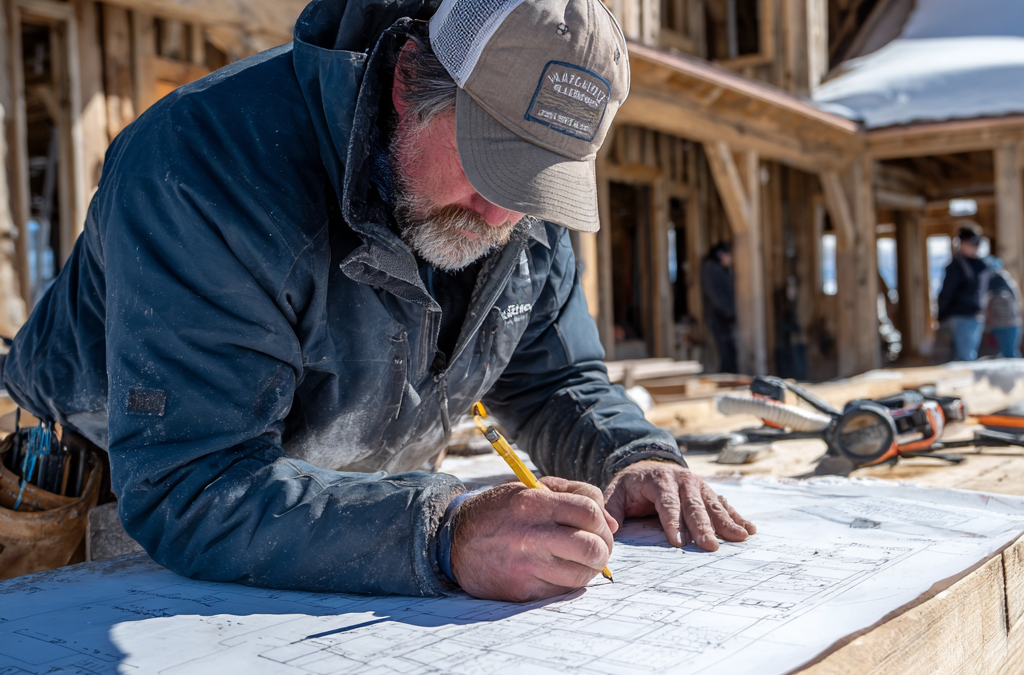
If you build in Montana, you already know spring doesn’t start in April. Spring starts the moment somebody says, “Let’s break ground when the snow melts,” and every trade within a hundred miles gets booked solid.
That’s why winter is where the smart planning happens. Not because it’s fun, but because it prevents the kind of spring delays that turn a clean schedule into a daily apology tour.
This is the winter playbook we use with builders and designers across Bozeman, Big Sky, and the Gallatin Valley. It’s built around the decisions that actually move the needle: appliances, cabinet specs, door styles, trim packages, and finish approvals. Lock these early, and your spring pipeline stays smooth.
Why winter planning matters for Montana spring schedules
Spring bottlenecks usually come from a few familiar culprits:
- Appliances chosen late (or changed midstream)
- Cabinet layouts not finalized before rough-ins
- Trim profiles and door styles decided after drywall
- Finish approvals dragging while everyone “thinks on it”
- Field conditions not measured until it’s too late to adjust cleanly
None of this is complicated. It’s just sequencing. Cabinets, doors, and millwork sit right in the middle of your jobsite dominoes. If they’re not planned early, everything behind them waits.
If you want to see the kind of cabinetry we’re talking about, start here
The winter decisions that prevent spring delays
1) Lock appliance specs early (sizes, models, clearances)
If you want to keep spring moving, appliances can’t be an afterthought. Cabinets and rough-ins depend on:
- Range vs cooktop + wall ovens
- Refrigerator type (standard vs counter-depth vs built-in)
- Dishwasher model (some need different clearances)
- Hood insert dimensions and venting requirements
- Microwave placement (drawer vs built-in vs counter)
Contractor reality: the fastest way to blow a schedule is to frame and rough-in around “standard size” and then order something that isn’t.
2) Confirm the layout and the “zones” before you price the job
Homeowners love talking finishes. Schedules love talking layout.
Before you finalize pricing, make sure the plan answers:
- Where is prep happening?
- Where is the landing zone for groceries?
- Where is trash/recycling in relation to prep and sink?
- Can two people move through the kitchen without collisions?
Even small layout tweaks in winter can eliminate expensive field changes in spring.
3) Get rough-ins aligned with cabinet plans (not guesses)
Electrical, plumbing, and venting should follow approved cabinet drawings whenever possible. That includes:
- Outlet placement for appliance garages and coffee stations
- Under-cabinet lighting wiring routes
- Island power and seating clearances
- Hood venting location and framing allowances
When rough-ins are done “close enough,” cabinets become the measuring tape later, and that’s a bad time to discover the hood is centered on the wrong stud bay.
4) Decide door style and overlay/inset early
This affects lead times, detailing, and install tolerances.
- Full overlay is forgiving and fast to dial in on site
- Inset is sharp and high-end, but demands precision and stable conditions
- Shaker vs slab vs raised panel impacts profile choices and finish behavior
If doors are part of your scope beyond cabinetry, align them early too.
5) Choose a trim and millwork package before drywall is finished
Millwork is where jobs either feel custom or feel pieced together. Winter is the right time to lock:
- Base, casing, crown profiles
- Paneling details (shiplap, tongue-and-groove, wainscot)
- Beam wraps or ceiling details
- Fireplace surrounds and built-ins
If you wait until after paint, you either rush decisions or settle for what’s readily available. For custom profiles and a cohesive package, start here
6) Approve finish direction early (and don’t let it drift)
Finish indecision is a silent schedule killer. You don’t need every shade finalized on day one, but you do need a direction:
- Paint vs stain vs clear
- Sheen range (matte/satin/semi-gloss)
- Wood species selection (oak, walnut, alder)
- Any specialty finish requirements
Montana’s dry winters are hard on weak finish systems. Choose durable, shop-applied finishes that cure properly and can be maintained. If your project needs finishing support, touch-ups, or refinishing coordination, we handle that too
7) Hardware and accessories: pick the category, not every knob
For schedule purposes, it’s enough to lock:
- Pull style and finish family (black, brass, stainless, etc.)
- Soft-close requirements
- Drawer accessory priorities (cutlery inserts, tray dividers, pull-out trash)
- Pantry roll-out intent and widths
Then refine specific SKUs later without holding up cabinet production.
8) Plan for field measurement windows (and protect them)
For spring starts, we recommend setting measurement checkpoints:
- After demo (remodels)
- After framing/rough openings (new builds)
- Before production is finalized (anything custom)
Field conditions in Montana homes can be out of square. That’s not a crisis if you measure at the right time. It’s a crisis if you discover it on install day.
9) Schedule approvals like a trade, not a suggestion
If you want cabinets and millwork to land on time in spring, approvals need dates.
- Shop drawings approved by X date
- Finish samples approved by X date
- Field measurements completed by X date
- Install window confirmed by X date
This is where a cabinet shop earns its keep: clear communication, realistic lead times, and the discipline to keep decisions moving.
Quick “send this to your cabinet shop” checklist
When you’re ready to kick off, having this info up front saves weeks:
- Floor plan with dimensions and ceiling heights
- Appliance spec sheets (or confirmed sizes)
- Door style direction and overlay/inset decision
- Finish direction (paint vs stain vs clear) and wood species preference
- Notes on trim package and any built-ins
- Target install window and jobsite address/logistics
If you want a cabinet partner who can help you tighten these details before they turn into spring delays, this is where we start
FAQ
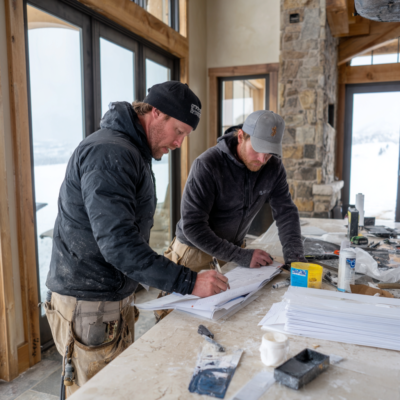
When should a builder contact a cabinet maker for a spring install in Montana?
As early as winter, ideally 8–12+ weeks before install depending on scope. The earlier you lock layout, appliances, and finish direction, the fewer spring surprises you’ll face.
What causes the biggest cabinet-related delays in spring?
Late appliance changes, delayed finish approvals, and rough-ins done before cabinet plans are finalized.
Can a cabinet shop help with millwork and finishing to keep schedules tight?
Yes. Coordinating cabinetry, trim profiles, and finishing under one roof reduces handoffs, miscommunication, and rework. Wilson’s shop supports planing, sanding, finishing, and touch-ups through Additional Services.