
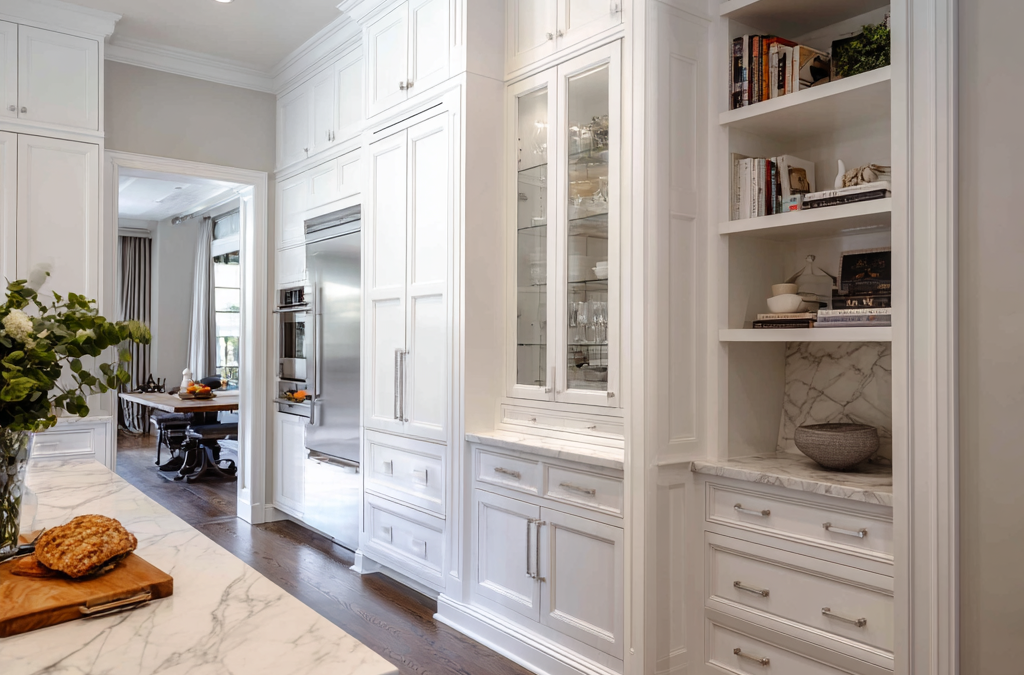
If you’re thinking about a 2026 remodel, you’re already ahead of the game. That’s good, because in Montana, the projects that go smoothly are the ones that get planned early and planned well.
By the time you call a contractor, you don’t need every finish picked out, but you do want a clear handle on your layout, storage priorities, cabinet style, and a few key decisions that drive cost. That’s what this guide is about.
Here are five cabinet and millwork decisions that will save you time, money, and headaches when you go to plan a kitchen remodel in Montana or tackle a larger home renovation.
1. Get clear on layout and storage priorities before anything else
Most remodels start with, “We need more space.” What they really need is better layout and smarter storage.
Before you talk to a contractor, ask yourself:
- Where do you actually prep food now? Where do you wish you did?
- Do you bake a lot, host big groups, or mostly cook for two?
- Is there a traffic jam spot in your current kitchen that drives you nuts?
From there, we can start shaping:
- Deep drawers for pots and pans
- Pull-out trays for pantry items
- Trash and recycling placement that makes sense
- Zones for coffee, bar, or kids’ snacks
If you come to your contractor with a clear list of “must-have storage” and a rough idea of layout changes, they can price and schedule your remodel much more accurately.
If you want ideas on what custom cabinetry can do for your space, start here
2. Decide on door style and finish direction (paint vs. stain)
You do not need to pick the exact color yet, but you should narrow down:
- Door style: Shaker, slab, raised panel, or something more detailed
- Overall look: modern mountain, classic, rustic, or somewhere in between
- Finish direction: painted, stained, or clear/natural
Why this matters early:
- Door style and finish affect materials, construction details, and cost
- Painted vs. stained cabinets can change the finishing system and schedule
- In Montana’s dry climate, some door and finish combinations perform better long-term than others
If you come in knowing you want a painted Shaker kitchen with a stained island, for example, we can talk realistically about durability, touch-ups, and cost right away.
3. Think beyond the kitchen: integrate cabinets with interior doors and trim
The best remodels are the ones where the whole main floor feels like it was designed at once—not pieced together over a decade.
Before you call a contractor, consider:
- Do your interior doors and trim feel like they belong with the new kitchen you are imagining?
- Do you want to upgrade doors and casing at the same time, or plan for it in phases?
- Would a consistent wood species or finish across cabinets, doors, and trim make the home feel more cohesive?
We often design:
- Kitchen and bath cabinets
- Matching or complementary interior doors
- Coordinated trim and moulding packages for entries, stairways, and living rooms
This is where millwork and doors come in. When we align profiles, wood species, and finishes, your kitchen, hallways, and living areas all feel like part of the same story.
If you have a Bozeman home renovation idea that goes beyond just the kitchen, thinking about these relationships up front will pay off.
4. Lock in appliance sizes and rough-ins early
You would be amazed how often appliance decisions are left to the last minute. That is fine if you like rework and frustration. If you want a smoother remodel, pick your key appliances early, or at least commit to sizes.
Decide on:
- Range vs. cooktop and wall oven
- Standard vs. counter-depth refrigerator
- Built-in vs. slide-in appliances
- Vent hood type and location
- Whether you are adding things like a second oven, beverage fridge, or microwave drawer
These choices impact:
- Cabinet dimensions and clearances
- Electrical and plumbing rough-ins
- Venting locations and framing
If you meet with your contractor and cabinet maker with appliance sizes in hand, you save days of back-and-forth and avoid last-minute “that won’t fit” moments.
5. Be honest about timeline and budget tiers
A good remodel is a three-way balance between scope, schedule, and budget. You do not have to know exact numbers, but it helps to have a realistic range and priority list.
Think in terms of:
- Must-haves vs. nice-to-haves
- Where you are willing to invest (cabinet quality, finishes, millwork, appliances)
- What absolutely needs to be done in 2026 and what could be phased
When we talk through your plan, we can offer:
- Good/Better/Best cabinet and millwork options
- Suggestions on where to step up materials and where to keep things simple
- A rough sense of how lead times and install schedules line up with your target date
The more clarity you bring to the table, the more accurate your contractor can be about cost and timing, and the better we can support both of you with a solid cabinet and millwork package.
Ready to talk through your 2026 remodel ideas?
If you are starting to plan a kitchen remodel in Montana, or a bigger main-floor project, getting these five decisions sketched out before you call your contractor will save everyone time.
We are happy to step in early, help you prioritize layout and storage, choose a door style and finish direction, and figure out how cabinets, trim, and doors all come together.
We will help you turn a rough 2026 wish list into a plan your contractor can actually build.
FAQ
Do I need full drawings before I talk to a cabinet maker?
No. Basic room measurements, a few photos, and a sense of your appliance choices and style are enough to start a productive conversation. Detailed drawings come later.
Should I pick cabinets before flooring and counters?
Cabinets, flooring, and counters all interact. It is usually best to finalize cabinet layout and general direction first, then choose flooring and counters to work with that plan.
Can you help my contractor with cabinet and millwork details?
Yes. We regularly coordinate with contractors and designers to fine-tune dimensions, fillers, trim details, and finish sequences so the project runs smoothly