
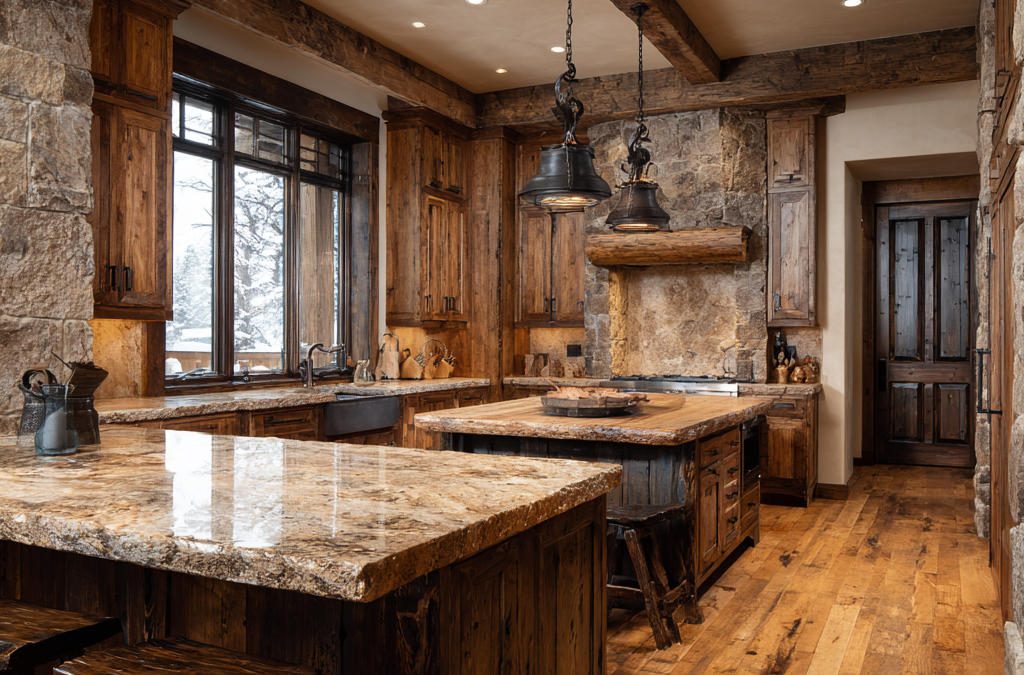
Montana winters don’t tiptoe in—they stomp through the door and track half the yard in with them. If you want your wood cabinets and doors to look good and hold up through our dry, cold season, you need a maintenance plan that’s simple, consistent, and built for this climate. As a cabinet maker serving Bozeman, Big Sky, and the Gallatin Valley since 1985, here’s the practical guide we give our own clients.
Understand How Wood Behaves in a Dry Climate
Wood is a natural material—it moves. In dry air, it gives up moisture and can shrink; when the air gets humid again, it swells. That seasonal movement is normal, but you can keep it in the safe zone with a few dry climate wood tips:
• Keep indoor relative humidity around 35–45% through winter. A whole-home or room humidifier is your best friend.
• Avoid blasting direct heat at doors and cabinets. Keep space heaters and floor registers from pointing right at wood surfaces.
• Let wet gear dry away from cabinetry. Snowmelt pooled against toe-kicks and end panels is a long-term problem.
Daily and Weekly Care for Wood Cabinets
Day to day, the goal is to clean gently and protect the finish so the wood underneath stays stable.
• Wipe spills immediately with a soft, slightly damp microfiber cloth; follow with a dry cloth.
• Use mild dish soap and water for greasy spots. Skip ammonia, bleach, and abrasive pads—those break down finishes.
• Open the dishwasher after steam has dissipated, not while it’s venting directly into your cabinet faces.
• Add felt pads under counter tools and decor so they don’t scuff finished surfaces.
Thinking about an upgrade while you’re at it? See what’s possible with our Custom Cabinets
Seasonal Wood Door Maintenance
Interior doors for rustic homes and modern mountain builds alike benefit from a quick seasonal check. Ten minutes now saves headaches in January:
• Tighten hinge screws and hardware; wood movement can loosen fasteners over time.
• Check reveals (the gaps around the door). Minor seasonal changes are normal; larger shifts may need adjustment at the hinges or strike plate.
• Clean and lightly wax latch edges and strike areas to reduce winter squeaks and sticking.
• For exterior entries, inspect weatherstripping, thresholds, and door sweeps. Replace compressed or torn pieces before real cold hits.
Need ideas for a new statement entry or matching interior sets? Explore our Doors
Protect the Finish So the Finish Protects the Wood
Your finish is the shield. Treat it right and it will keep moisture swings and daily wear from reaching the wood.
• Dust with microfiber—no paper towels. They’re more abrasive than you think.
• Avoid silicone polishes that can build up and complicate future refinishing.
• Touch-up sticks and finish kits are great for small nicks. For widespread wear, call us before DIY products make things worse.
Want professional help with planing, sanding, color-matching, or topcoat repairs? Our Additional Services team can handle it: https://paperstreetbusiness.com/wilsonadditionalservices
Smart Winter Upgrades You’ll Appreciate Every Day
• Soft-close hinges and slides reduce impact on doors and drawers when the house is drier and parts move a bit more.
• Interior organizers—tray dividers, spice pull-outs, deep pot drawers—keep traffic flowing when more life happens indoors.
• For wood entry door ideas that stand up to winter, consider a storm door, upgraded weatherstrip kits, and periodic maintenance coats on sun-exposed faces.
When to Call a Pro
If you’re seeing wide seasonal gaps, cracked finish, sticking exterior doors, or panels that won’t settle, it’s time to bring in a specialist. We can evaluate humidity, fit, and finish—and recommend the right fix so your cabinetry and doors last for decades.
Ready for a Winter Checkup or Upgrade?
If you want a second set of eyes—or you’re ready for a cabinet refresh or new door package—we’re here to help. Start with inspiration on our Cabinets page and our Doors Then get in touch to schedule service or a design consult.
FAQ

What humidity level should I keep in my Montana home to protect wood cabinets and doors?
Aim for 35–45% relative humidity through winter. It minimizes seasonal shrinking and swelling while keeping finishes happier.
What cleaners are safe for cabinet finishes?
Mild dish soap and water on a microfiber cloth. Avoid bleach, ammonia, citrus solvents, and abrasives that can haze or strip finishes.
How often should I maintain my exterior wood entry door?
Inspect seasonally. In high sun or wind exposure, expect more frequent touch-ups to the topcoat. Replace weatherstripping at the first sign of compression or tearing.